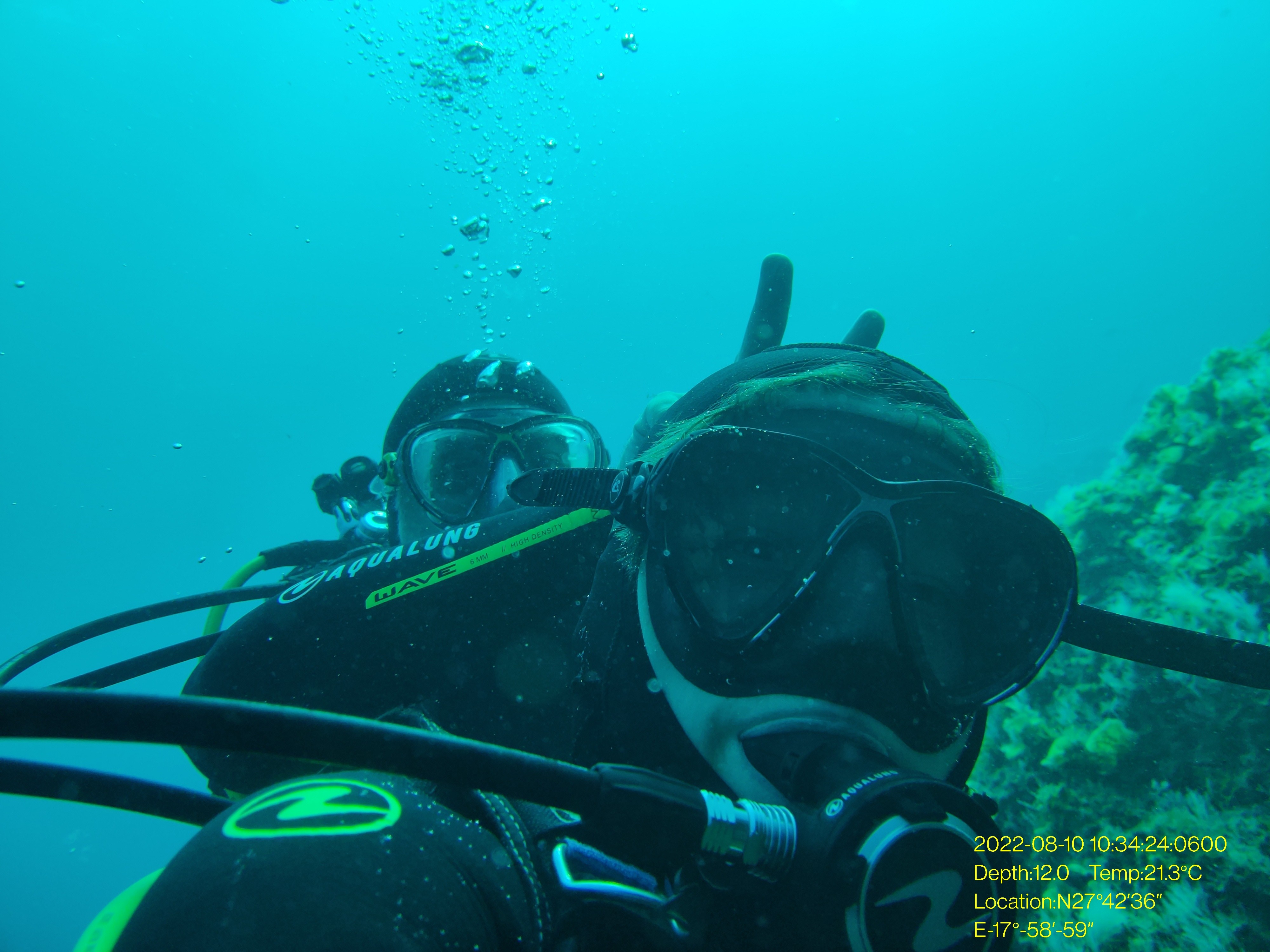
In this article I will be sharing with you the best pictures that I’ve taken while diving in Sao Miguel which is the biggest island in the Azores, and I will try identify the species visible on them.
Sao Miguel’s uw POV
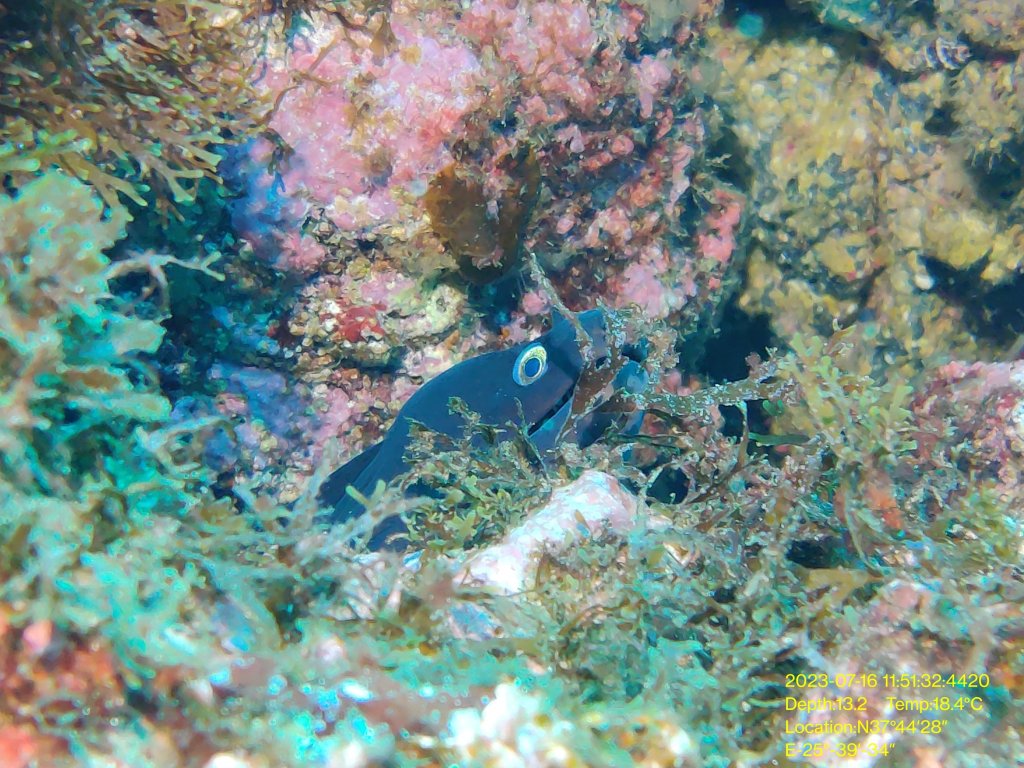
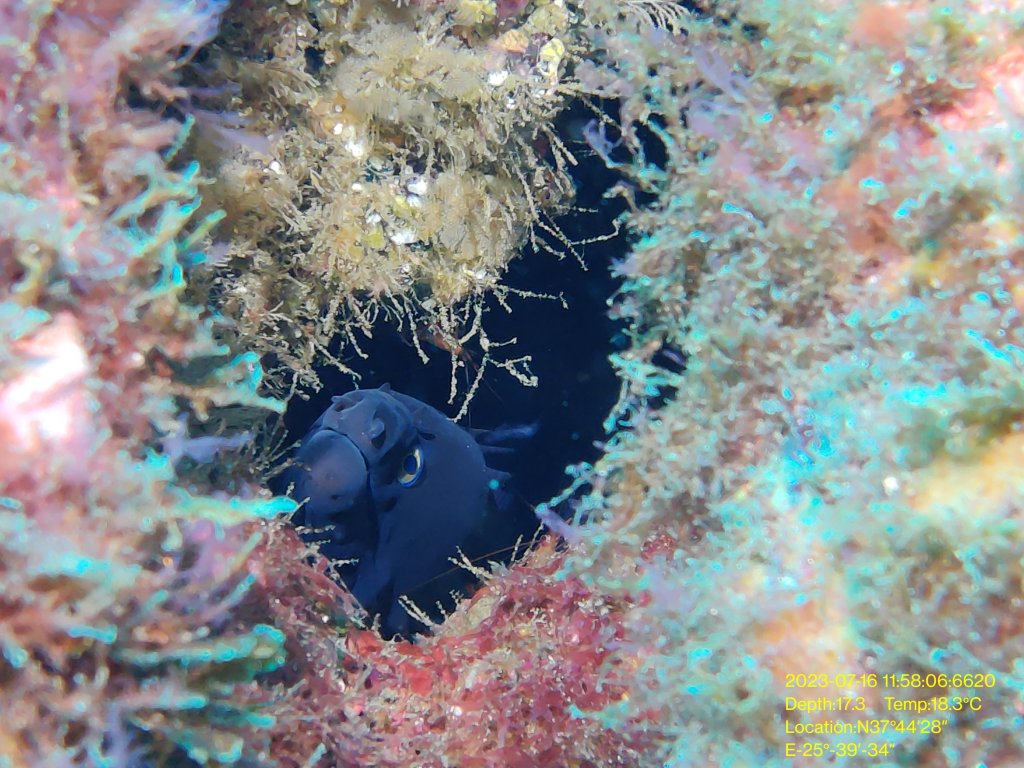
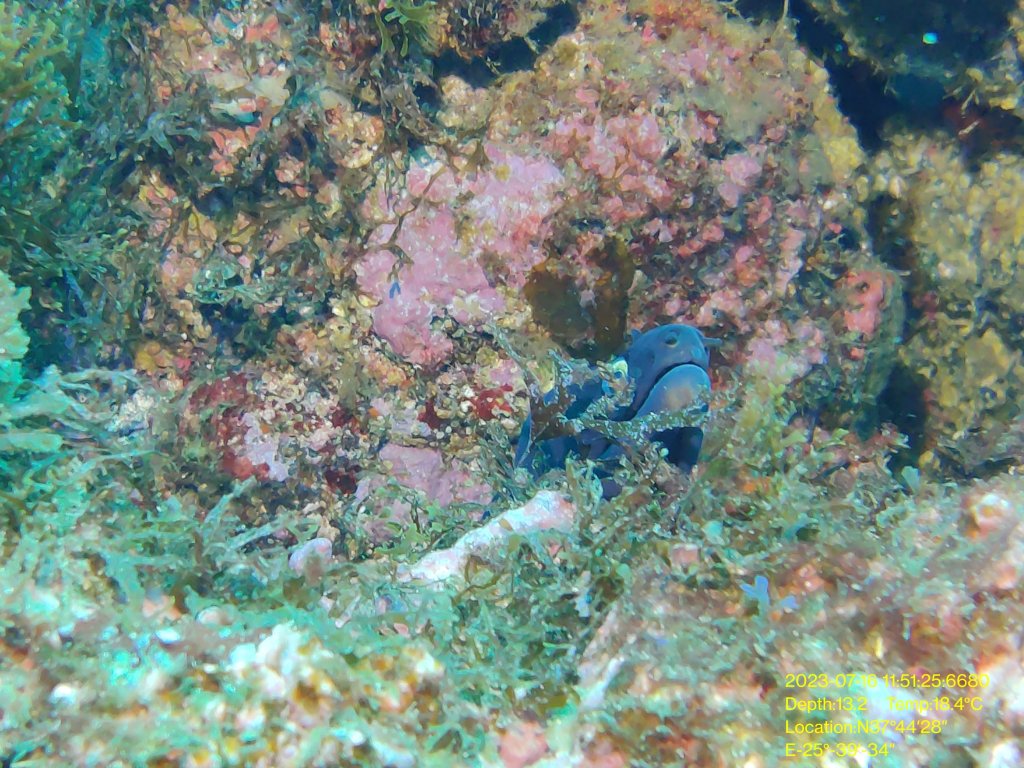
These are Black Morays – Muraena Augusti, spotted near the Dori Wreck in Ponta Delgada, Sao Miguel.
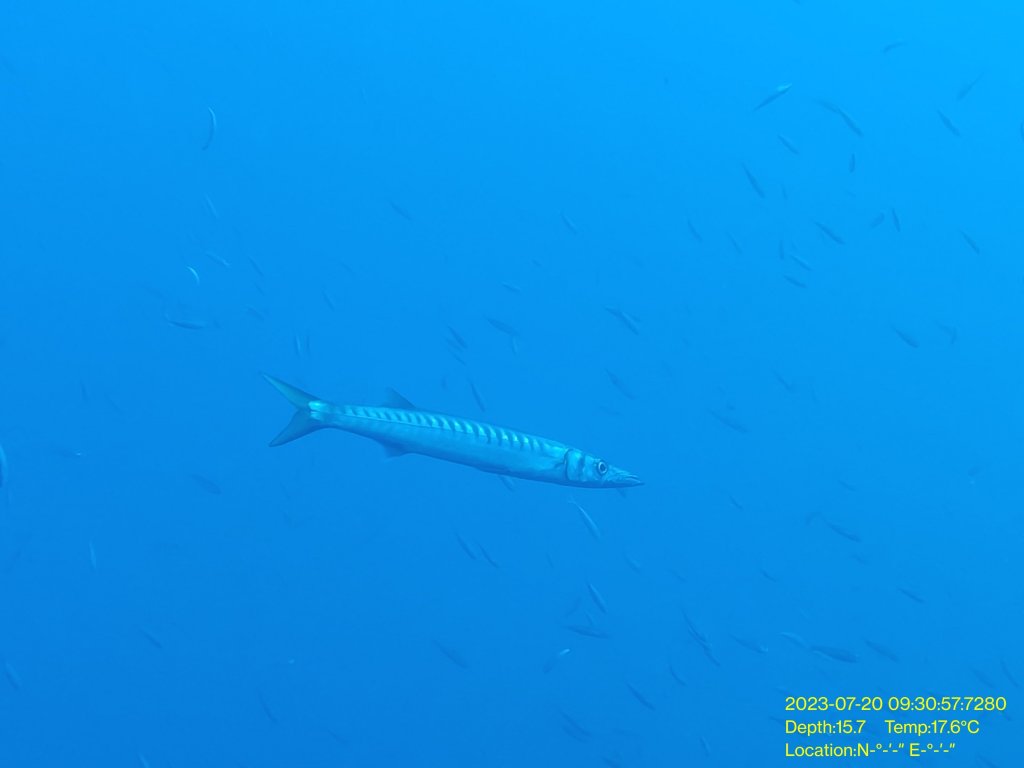
This is a yellowmouth barracuda – Sphyraena viridensis. A lot of them are swimming around the Dori Wreck. They usually swim and hunt in groups. Some of them grow up to almost 2 meters long.
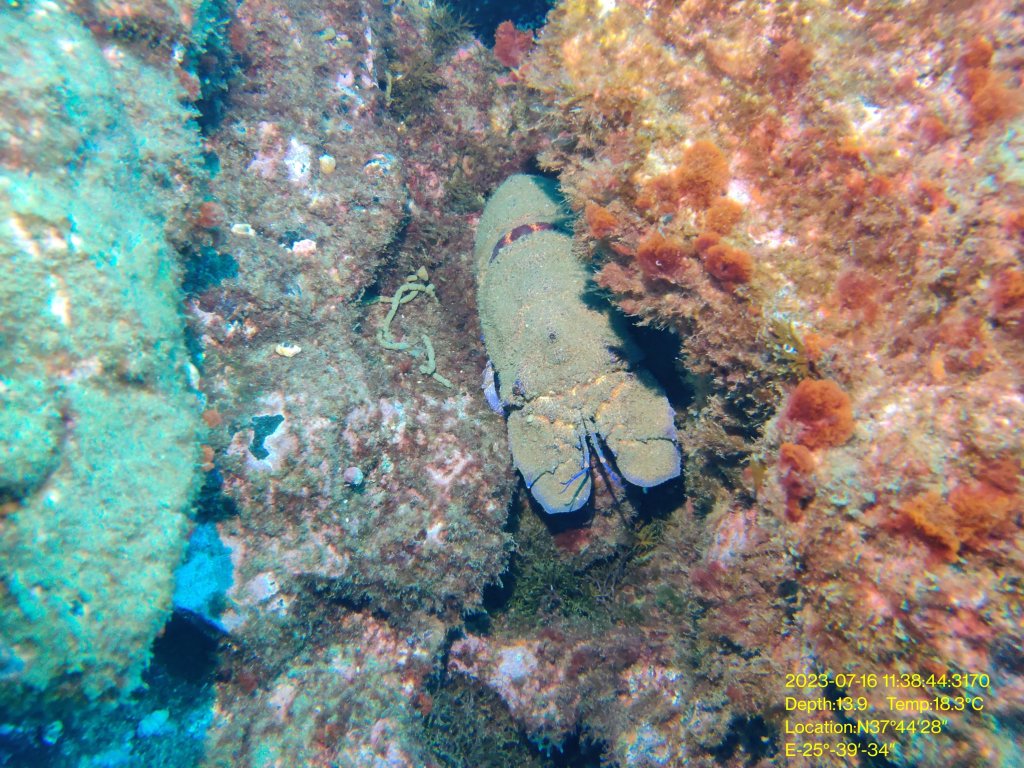
This is a Slipper lobster – Scyllarides. While diving I saw only one of them in 12 dives so it’s not one of the most common species in the Azorean waters.
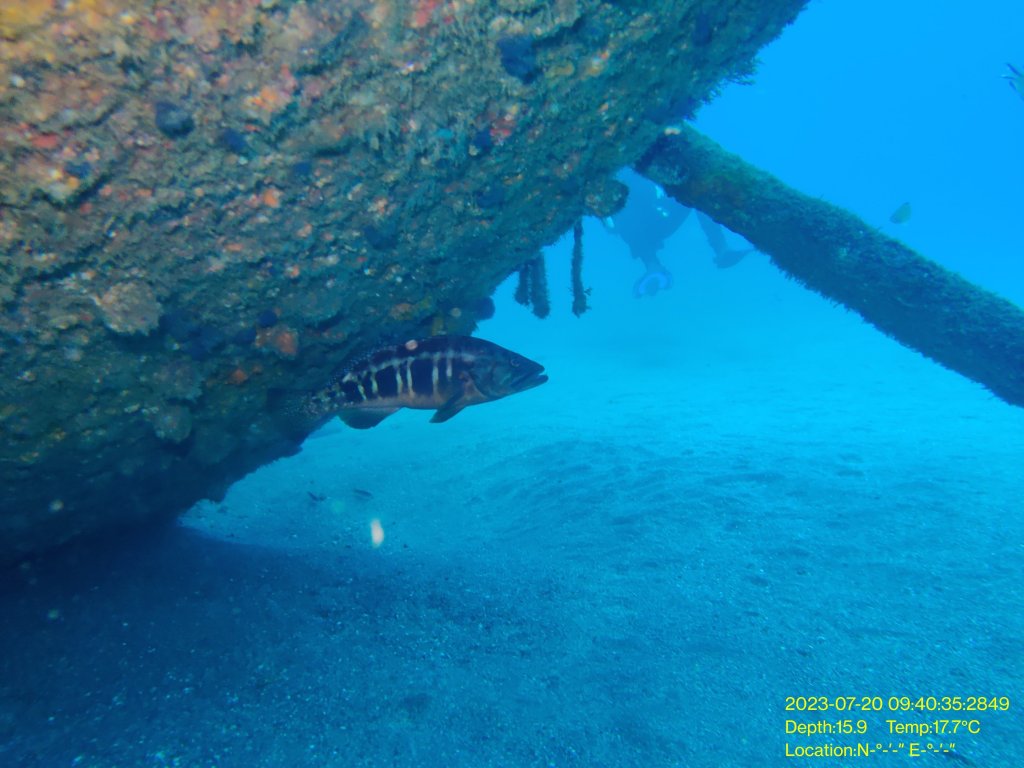
Blacktail combers – Serranus atricauda are quite common fish in these waters. You will see a lot of young and small combers and if you’re lucky, you can encounter some huge individuals.
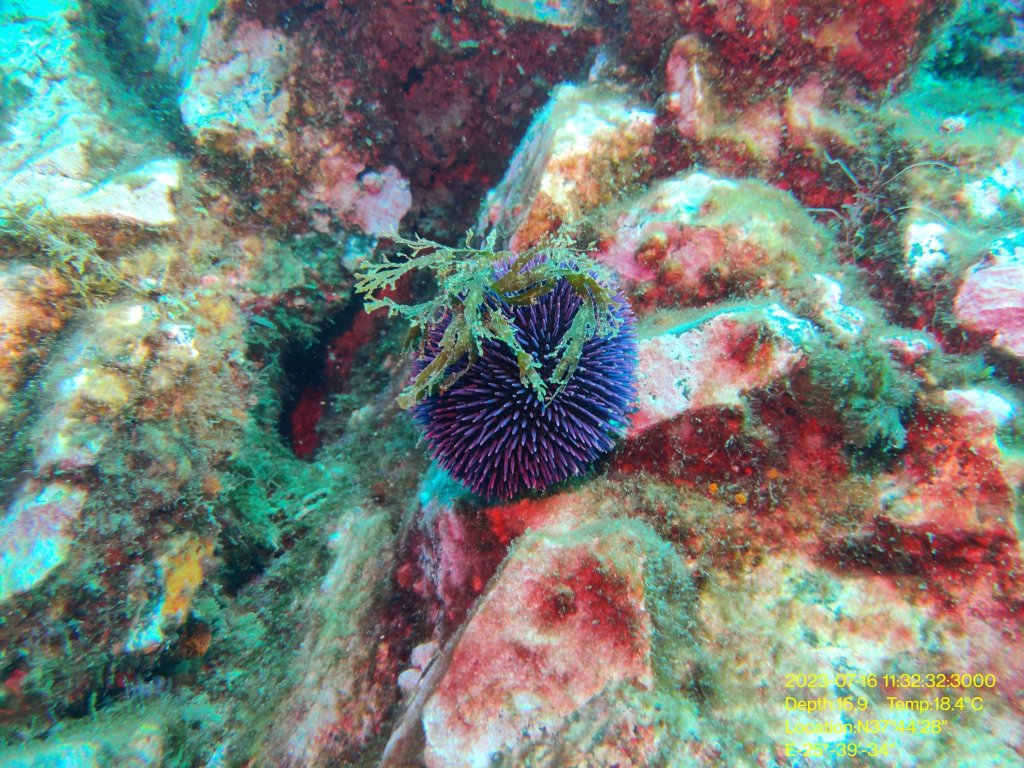
Sphaerechinus granularis is a sea urchin. They are part of the echinoderm fauna, and are quite abundant in these waters.
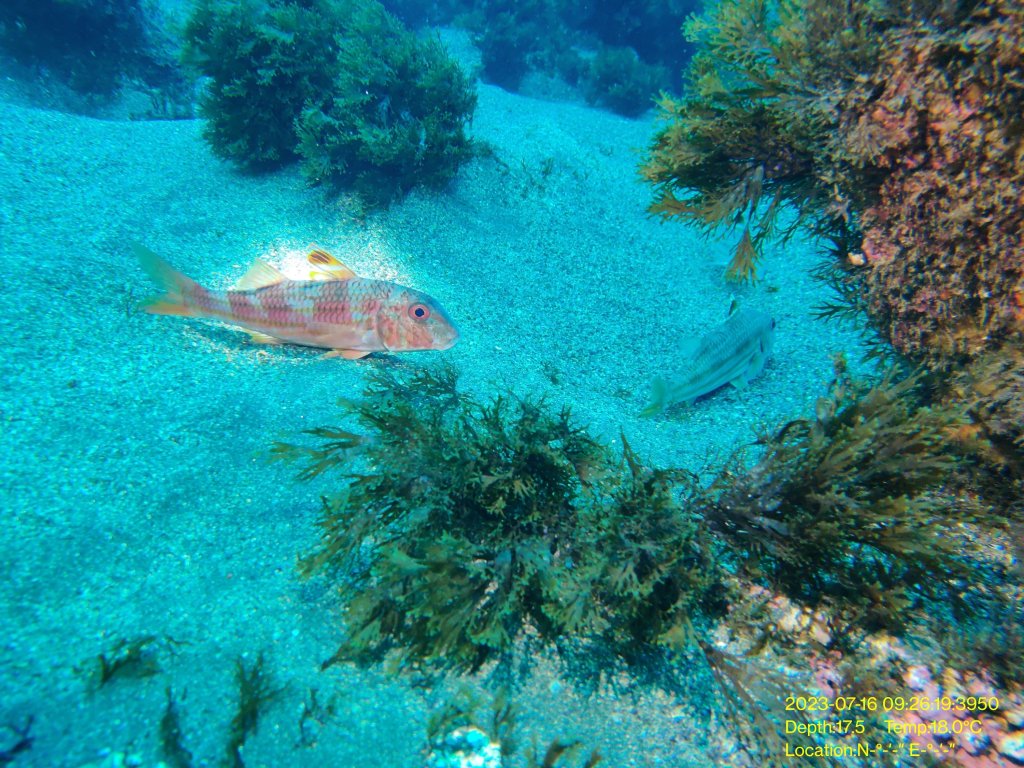
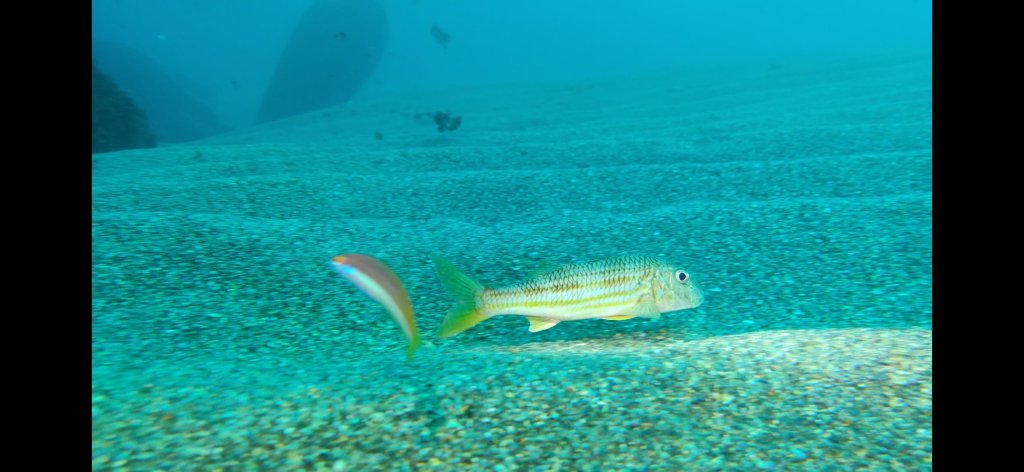
This is a stripped red mullet – Mullus surmuletus. You usually see them scratching the sand with their mouth trying to catch little crustaceans. They live in small groups in shallow waters as well as in deeper ones.
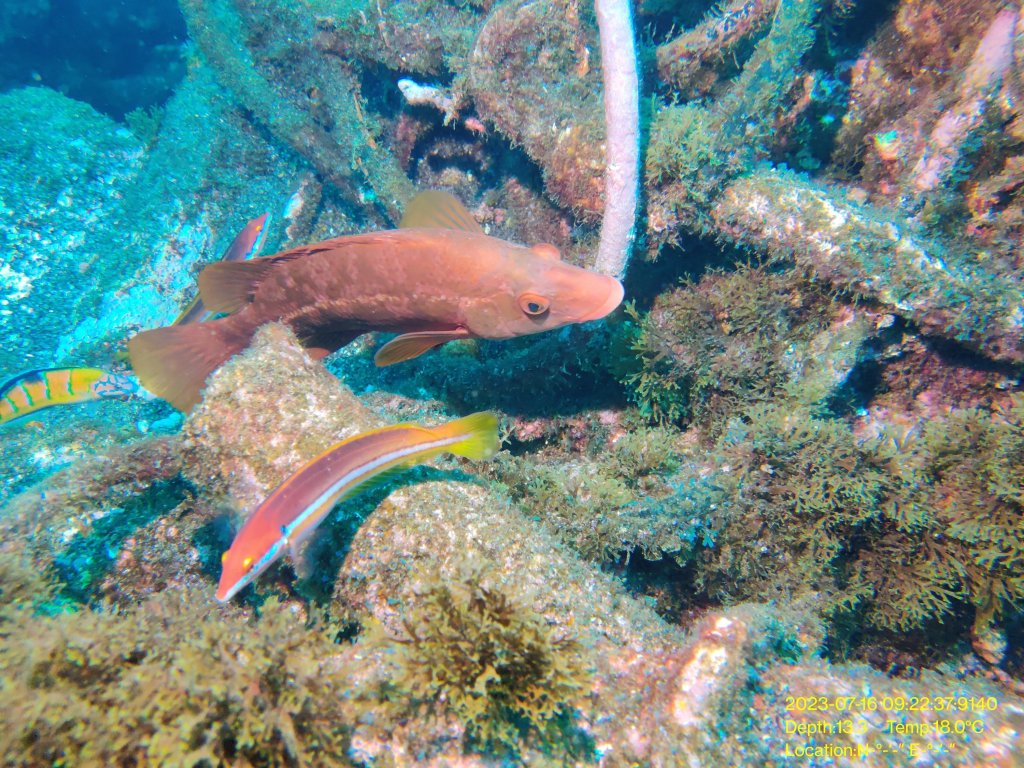
The biggest fish in the picture is a Ballan Wrasse – Labrus bergylta, the red and pink one is a Rainbow Wrasse – Coris Julis, and the green and blue one is an Omate Wrasse – Thalassoma pavo. They are part of local coastal biodiversity and are really common species that you can encounter all around the island.
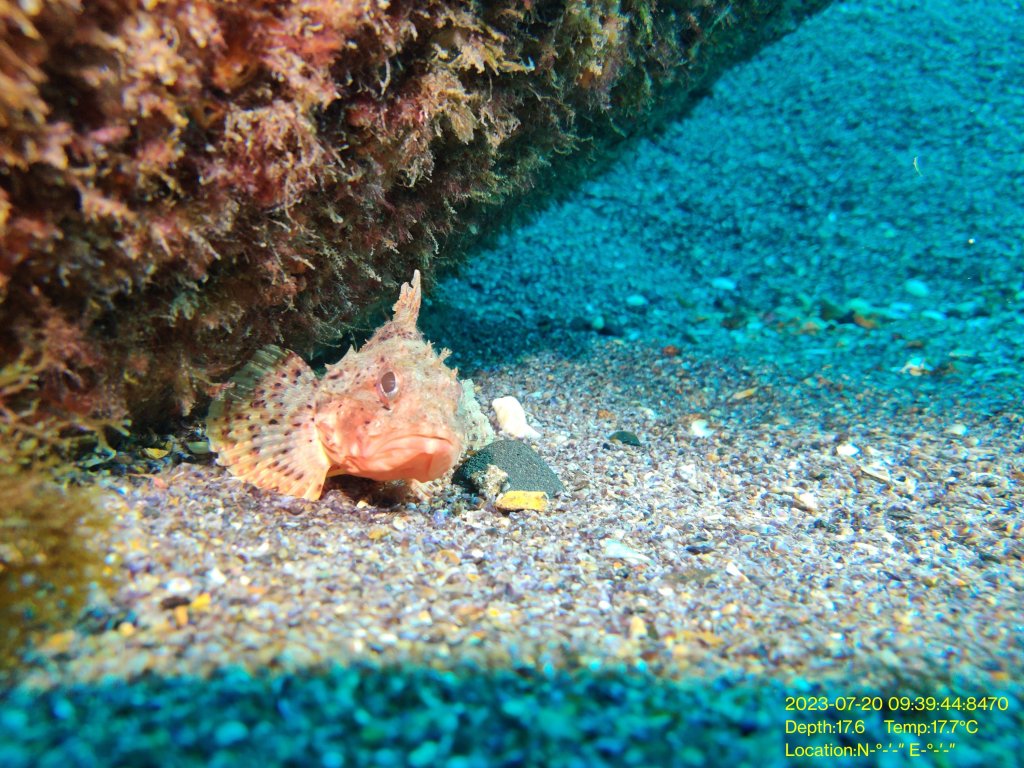
Small red scorpionfish – Scorpaena Notata hide under rocks or dissimulate by matching their skin colors with the surrounding colors. They are also quite common as it is a fish that you will see in almost all your dives. Don’t step on or touch them, they are venomous!
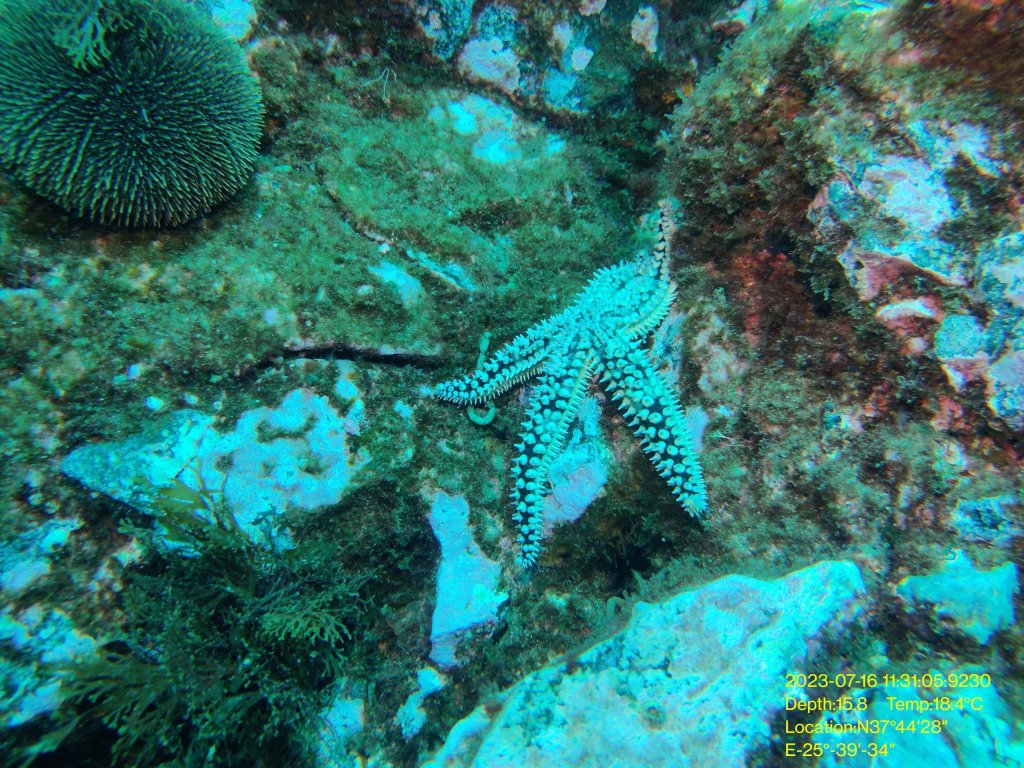
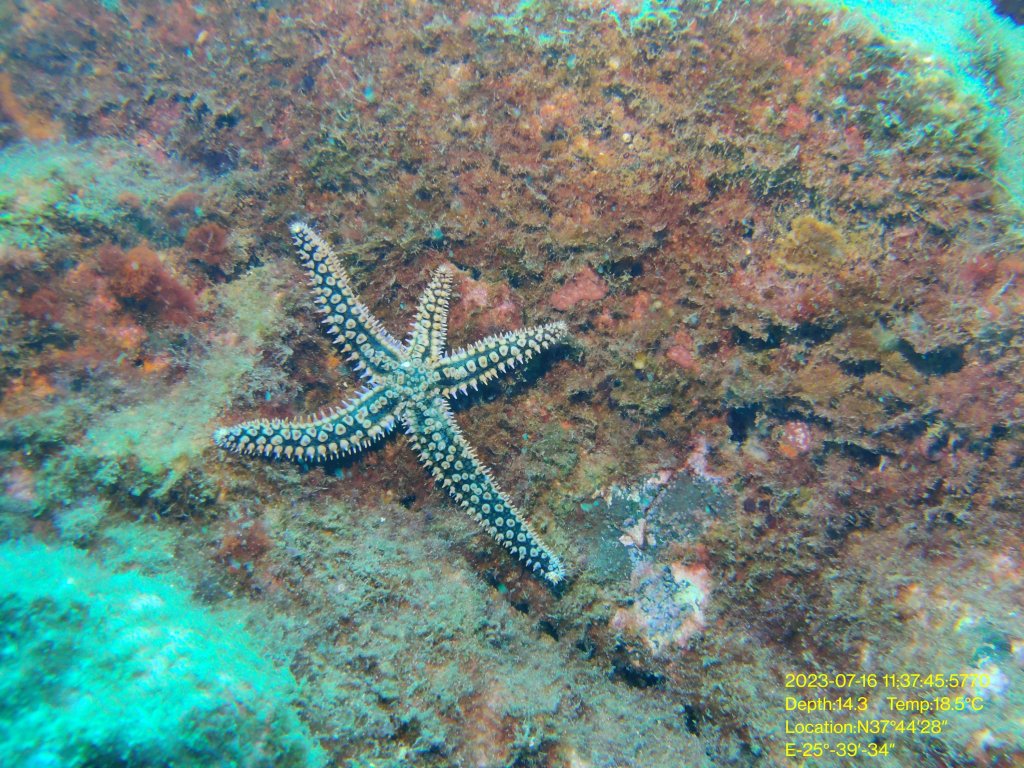
This is a Spiny Starfish – Marthasterias glacialis, genus of the Asteriidae family.
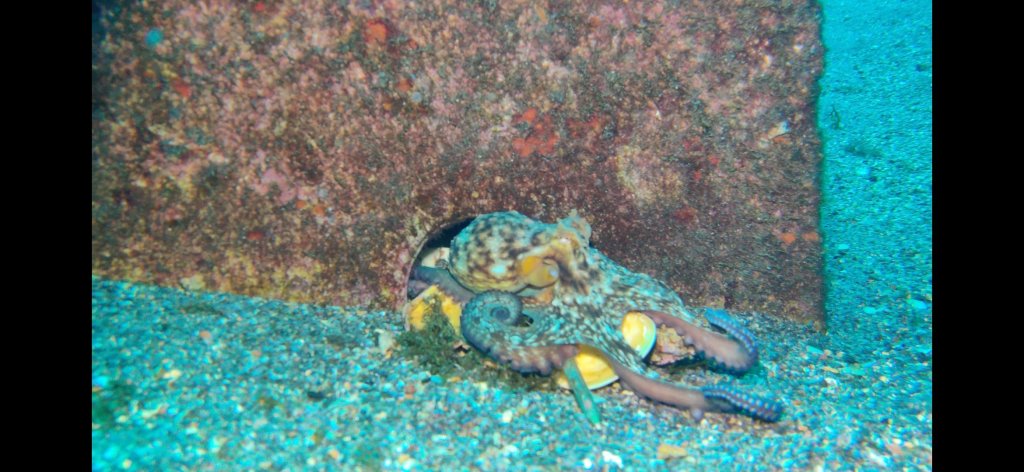
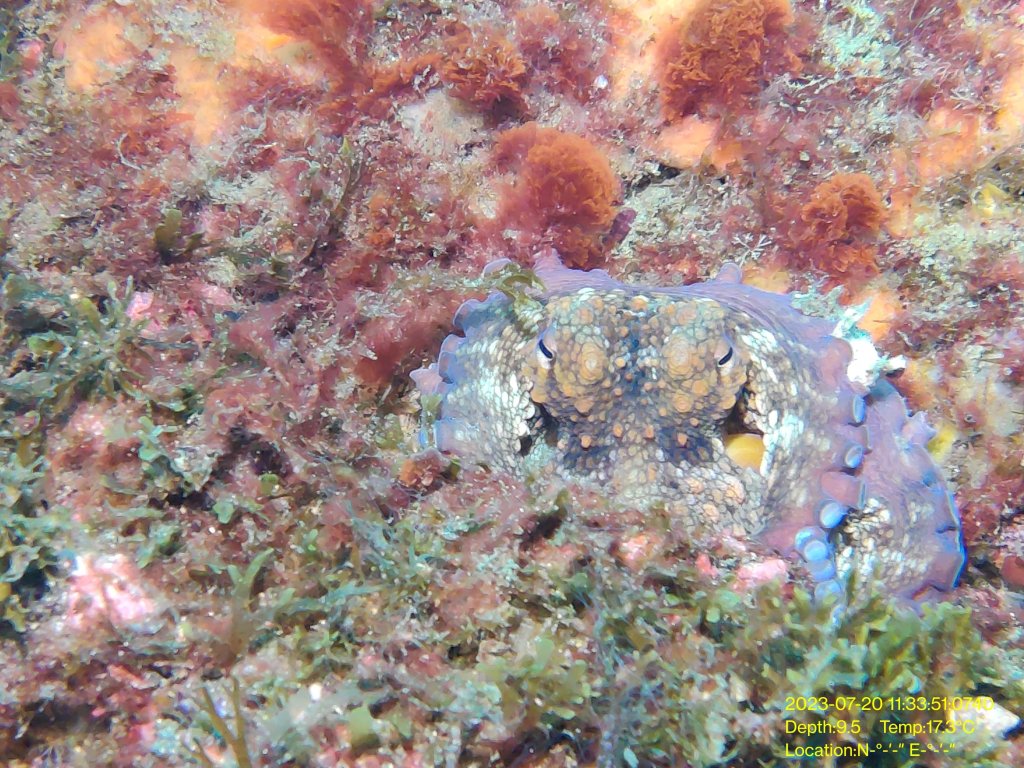
On these two pictures you can see a common octupus – Octopus Vulgaris. They can be really tricky to spot because of their ability to change colors to adapt to and hide in their environment.
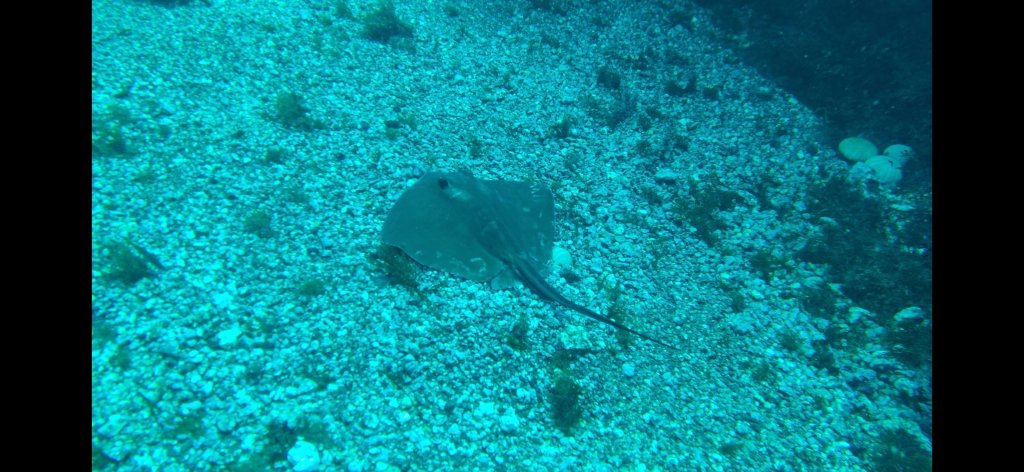
This is a common stingray – Dasyatis Pastinaca. They grow up to 60cm wide and are really nice to spot while diving. You will see them laying on the sand like in this picture or while they are swimming in the blue. Don’t get too close or they’ll swim away and you won’t be able to admire them.
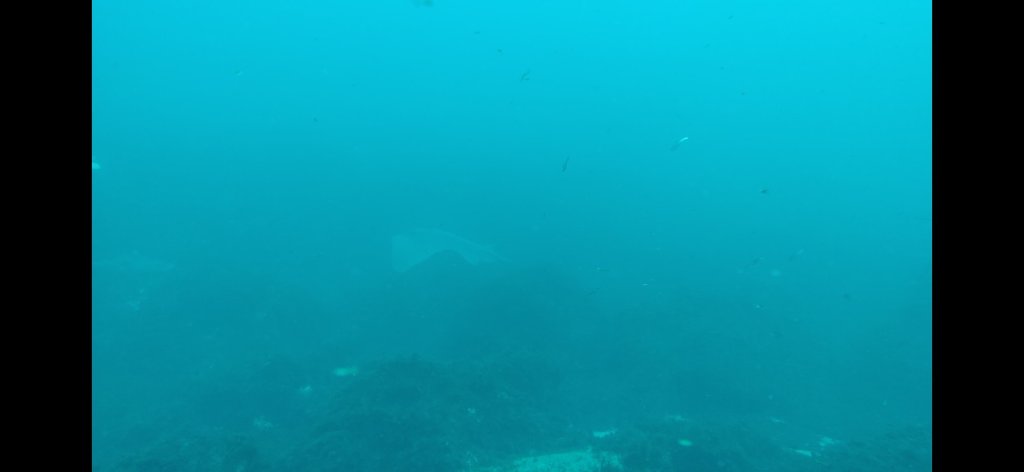
This is not the prettiest picture ever but I think it’s really cool ! The Roughtail stingray – Dasyatis centoura that you can see in the background was enormous. They can grow up to 2 meters wide and this one was close to it !
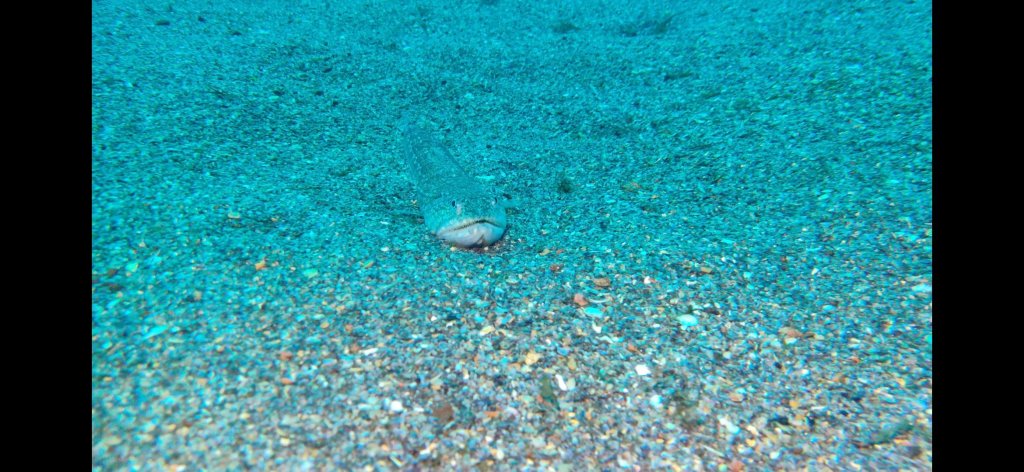
Atlantic lizardfish – Synodus saurus, are hard to spot. They lay in the sand waiting for prey to come over it to eat them. They always swim away when you’re trying to get closer making it difficult to photograph them.
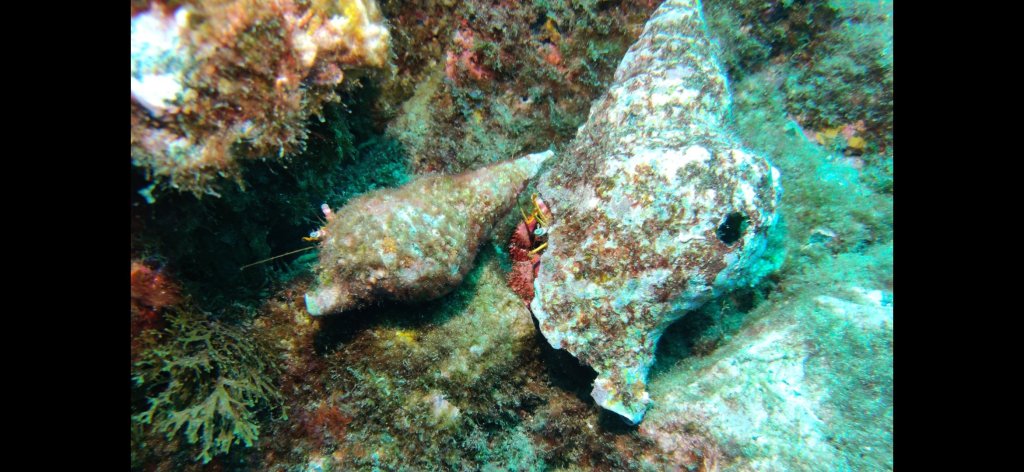
This is the only Great Hermit Crab – Dardanus arrosor that I’ve spotted while diving in the Azores.
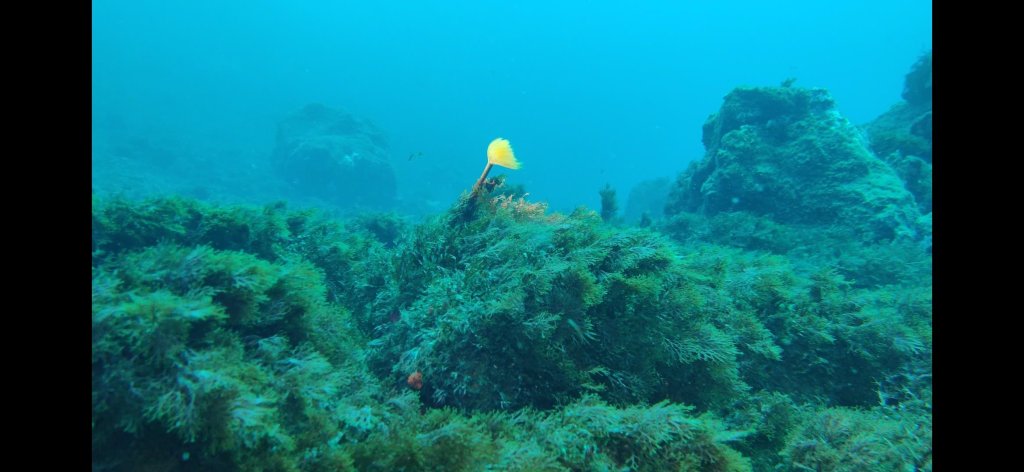
I couldn’t really match the name of this anemone that I think is a Tube dwelling anemone – Cerianthus membranaceus. If you are sure of what this exactly is, write it down in the comments !
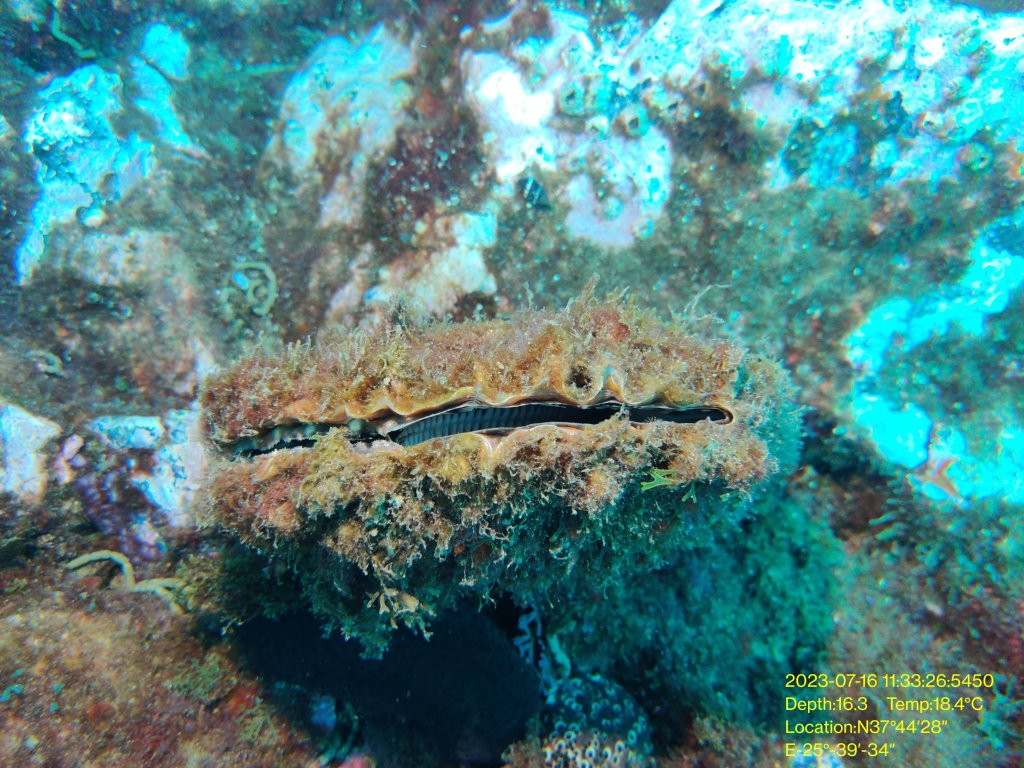
This is a rough pen shell – Pinna rudis.
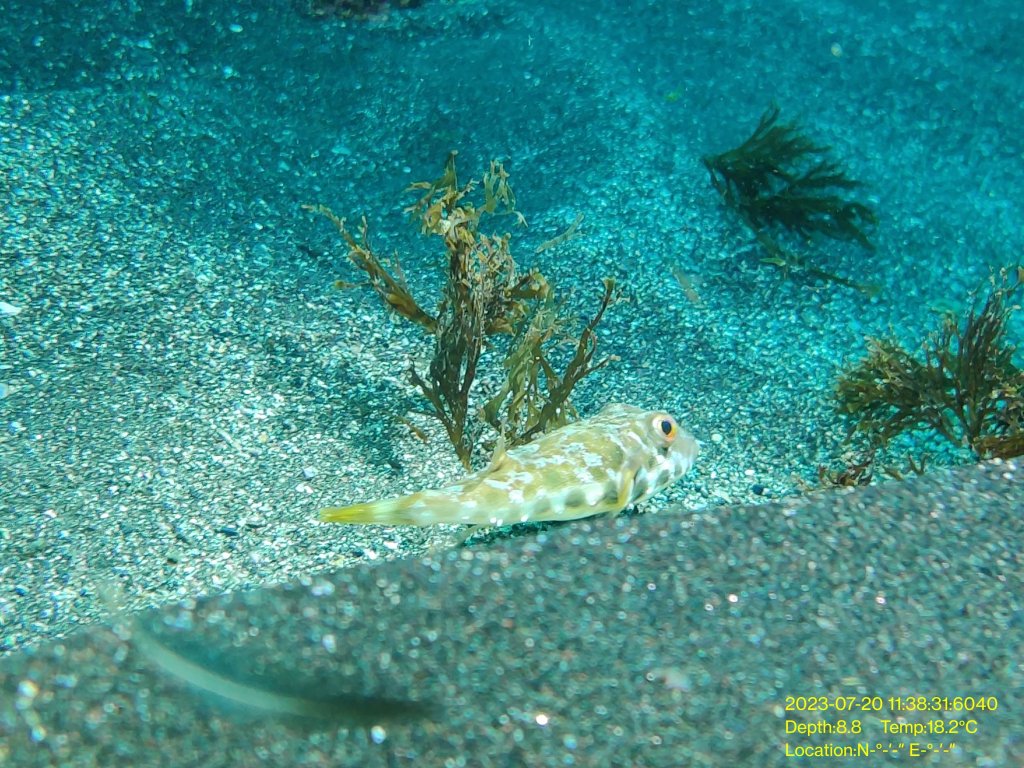
And finally, this is a Guinean pufferfish – Sphoeroides marmoratus. This is a common coastal fish in the Azores that you will encounter a lot of times. They are not the easiest one to photograph as they swim really fast and get easily scared.
These are my favorite pictures of Sao Miguel’s underwater wildlife. I tried my best to identify them and I hope I didn’t write terrible things !
You can find the UW POV with my best photographs of Pico and Santa Maria Island on my blog.
 Lucas Vahlas' Blog