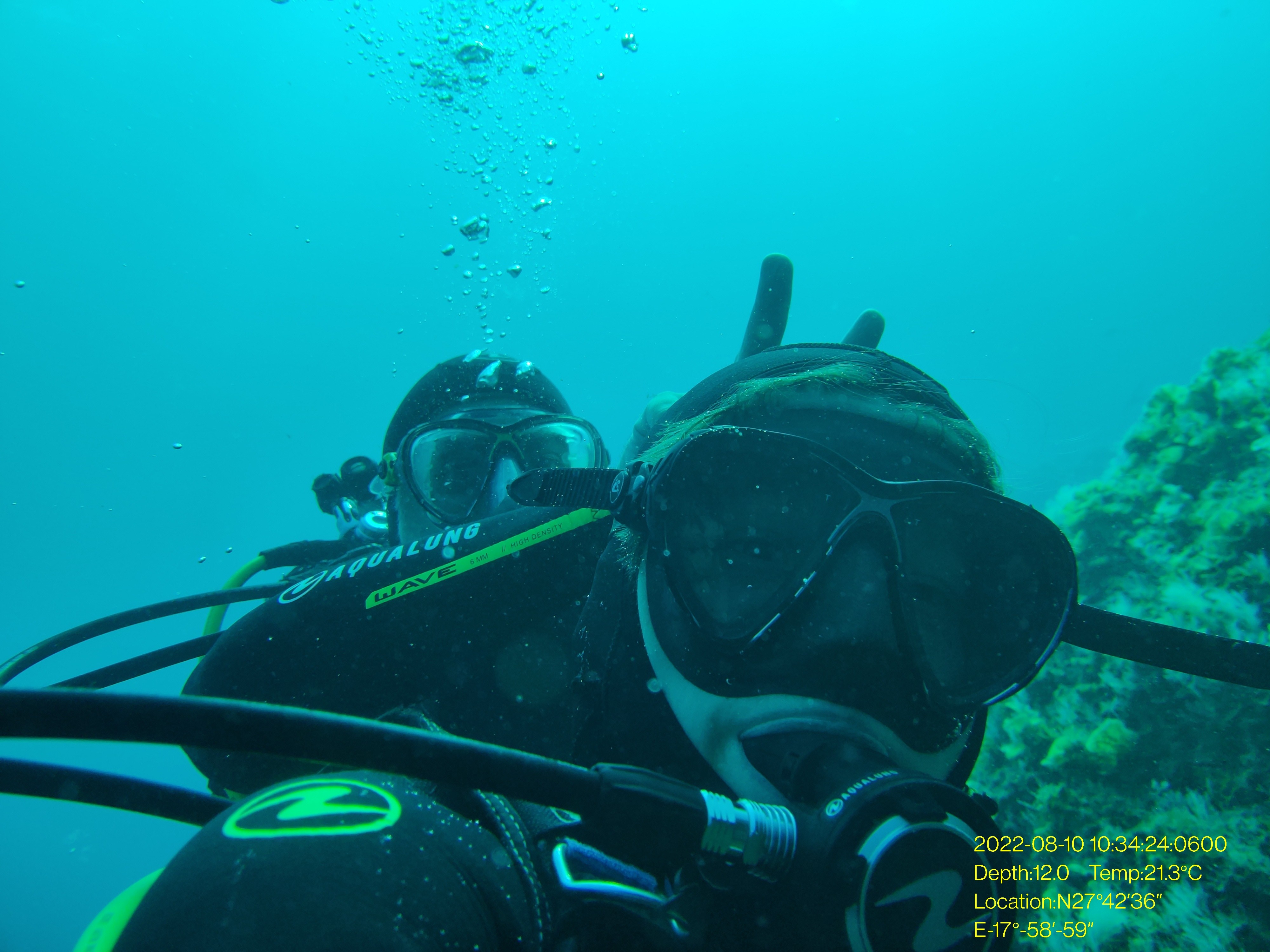
In July 2023 I spent 3 weeks i in the Azores. My trip first started with the island of Sao Miguel, then I went to Pico, a few days to Faial, and finally to Santa Maria. During these 3 weeks I dove 12 times on all the islands I’ve been to, except of Faial, and saw many different underwater landscapes that I will try to describe you.
First of all, the Azores is an archipelago situated in the North Atlantic ocean at approximately 1500km from the Portuguese coasts.
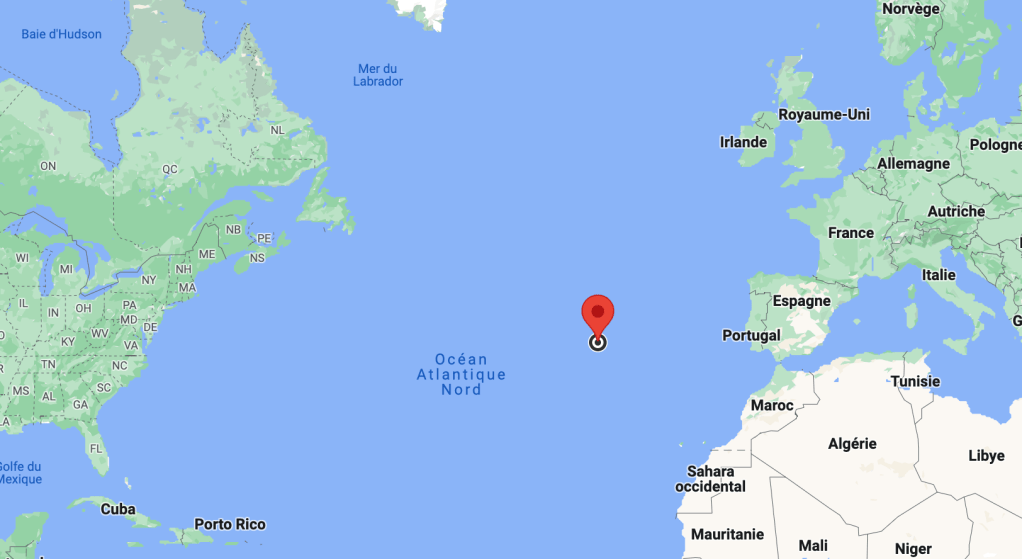
Because of its isolated location, preserved waters from large scale commercial fishing, and marine reserves, the underwater species that you can encounter while diving are really diverse and impressive. You can see a really dynamic coastal reef life with many Mediterranean species mixed with Macaronesian local ones, and of course, since you’re in the deep blue waters, if you are a lucky diver and don’t forget to sometimes look up to the surface, you can encounter every pelagic species. That is why diving in the Azores can be really fascinating.
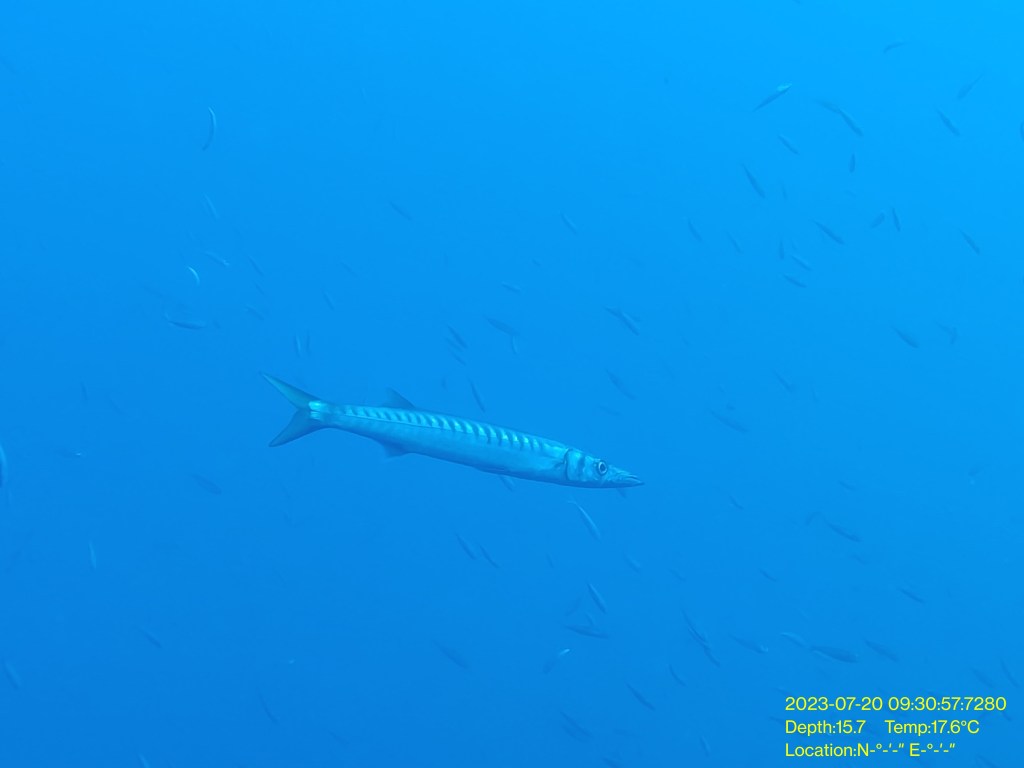
While diving I saw huge barracudas (called bicuda in portuguese), different types of tunas especially albacore tunas, diverse amberjacks, and MOBULAS!! Never knowing what to expect during your dives makes each one of them even more exciting !
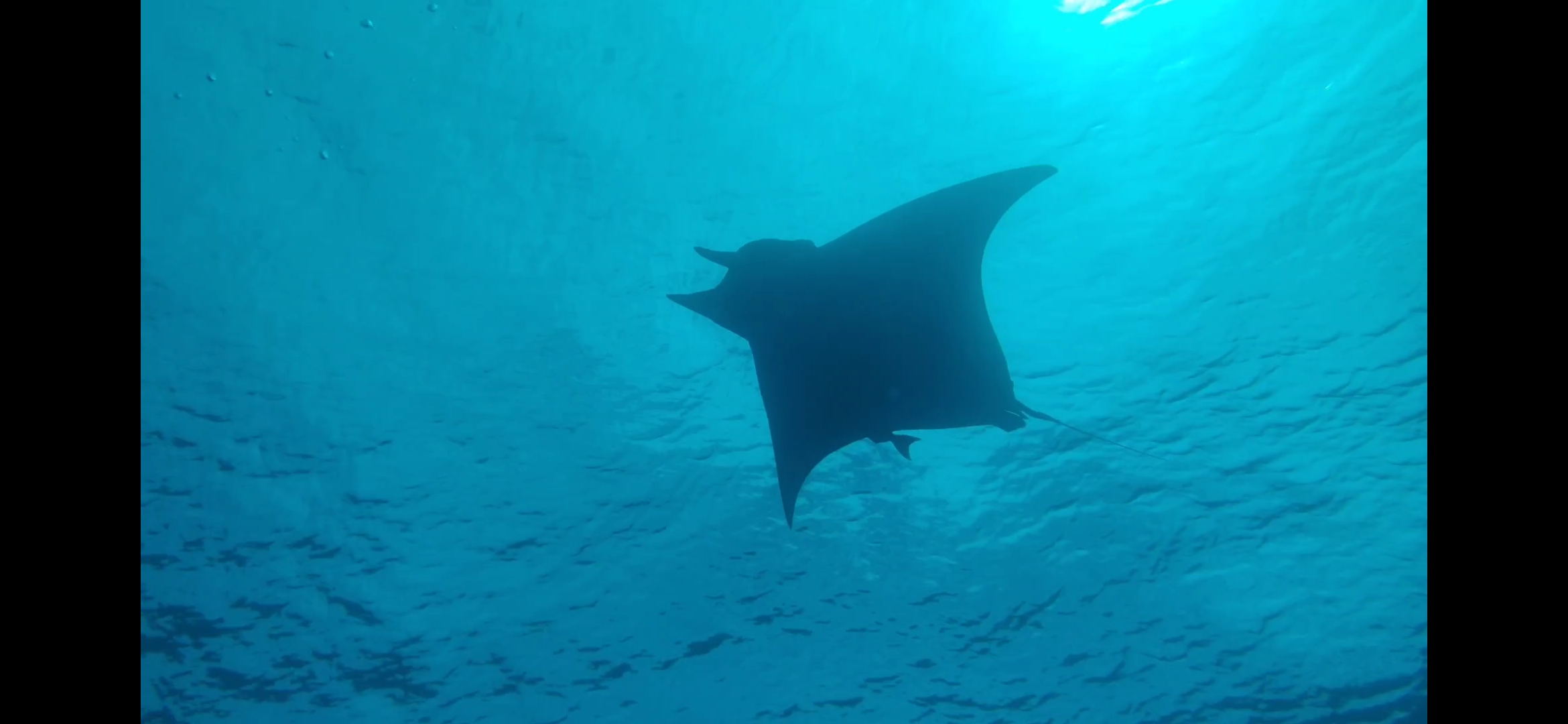
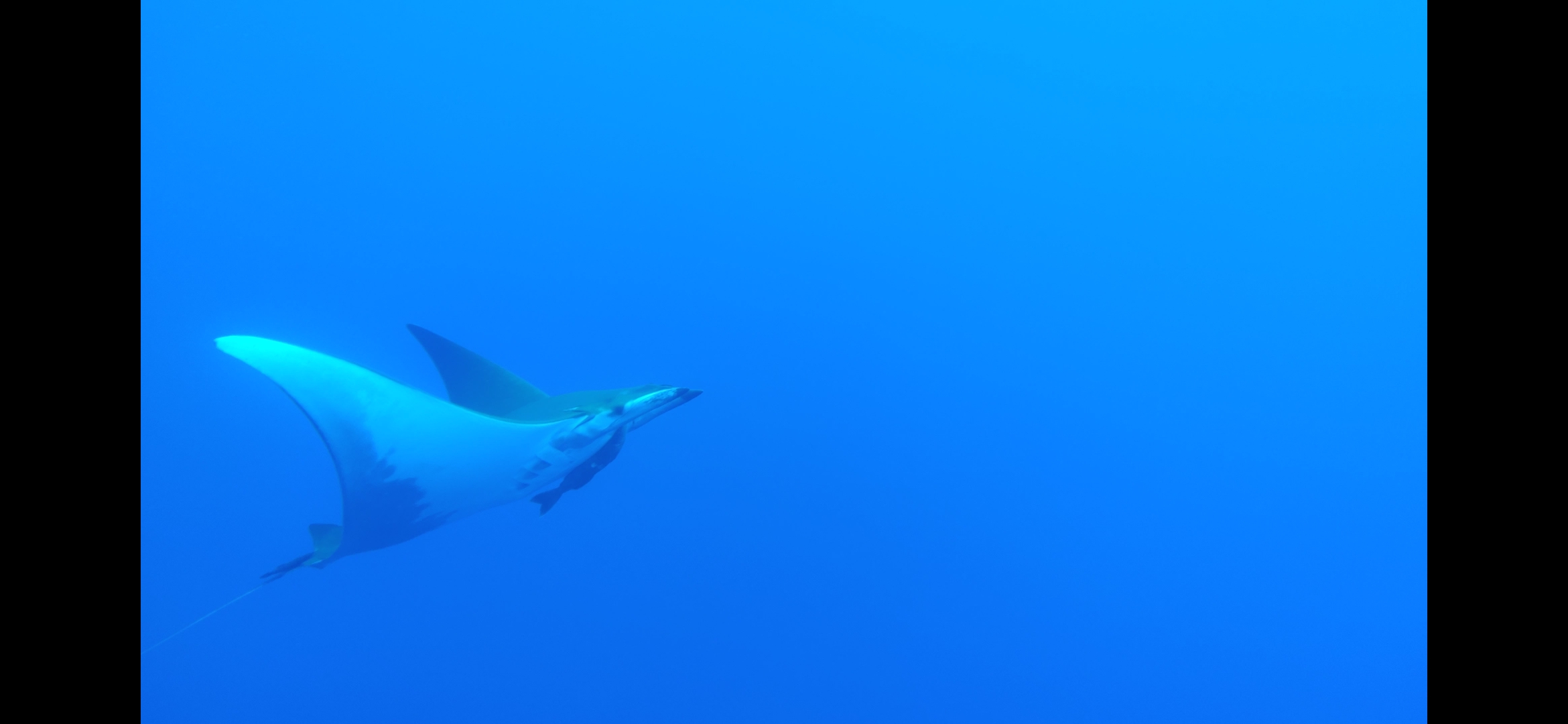
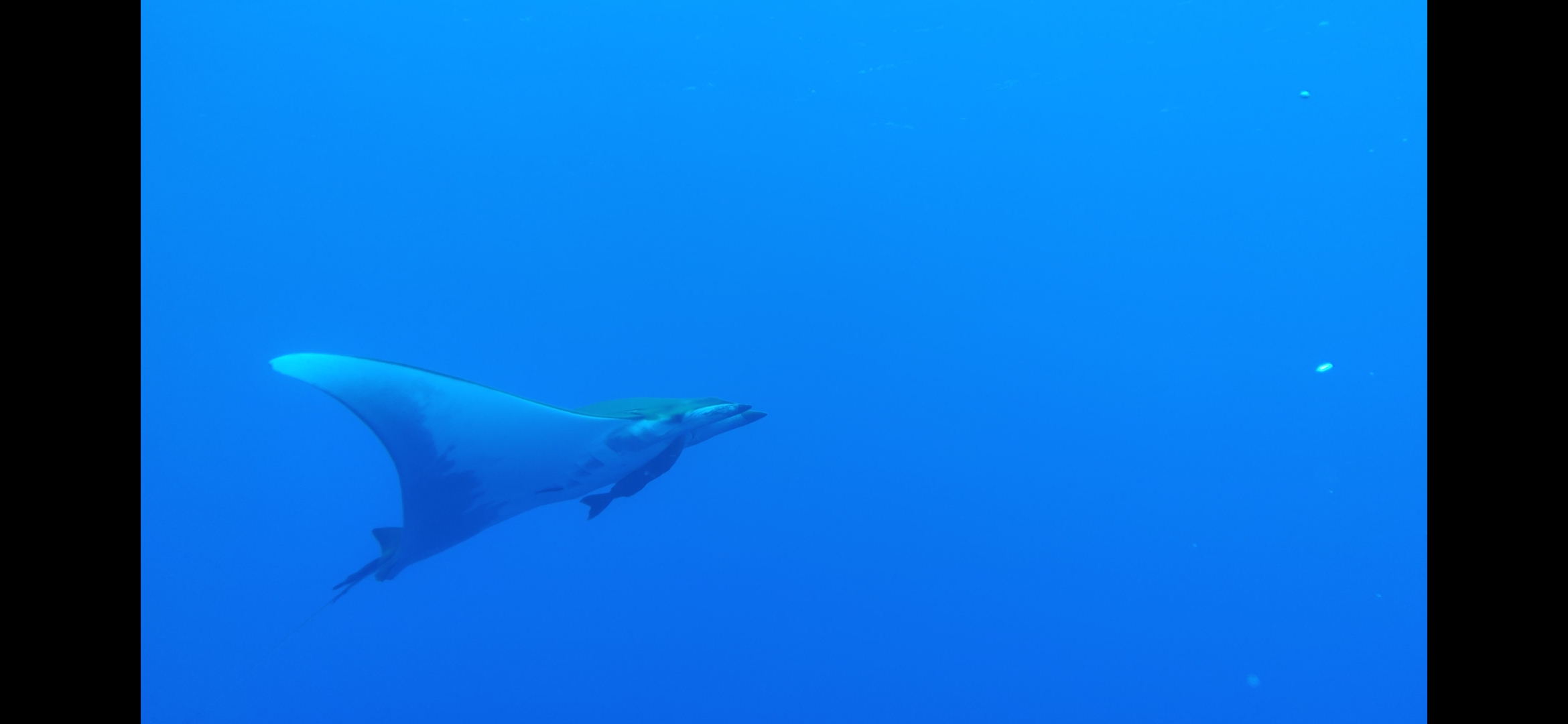
These are 3 pictures of mobula rays that were just passing by in the blue. Only when you are next to them you can feel how massive and powerful these wonderful animals are.
Generally, because the Azores is a volcanic archipelago, the underwater landscapes that you will probably see are lava flows or fingers and interesting structures such as arches and caves formed by lava while cooling. These special structures covered by diverse types of algae, are forming a shelter for all the coastal fish and invertebrates creating really nice ecosystems to watch and explore.
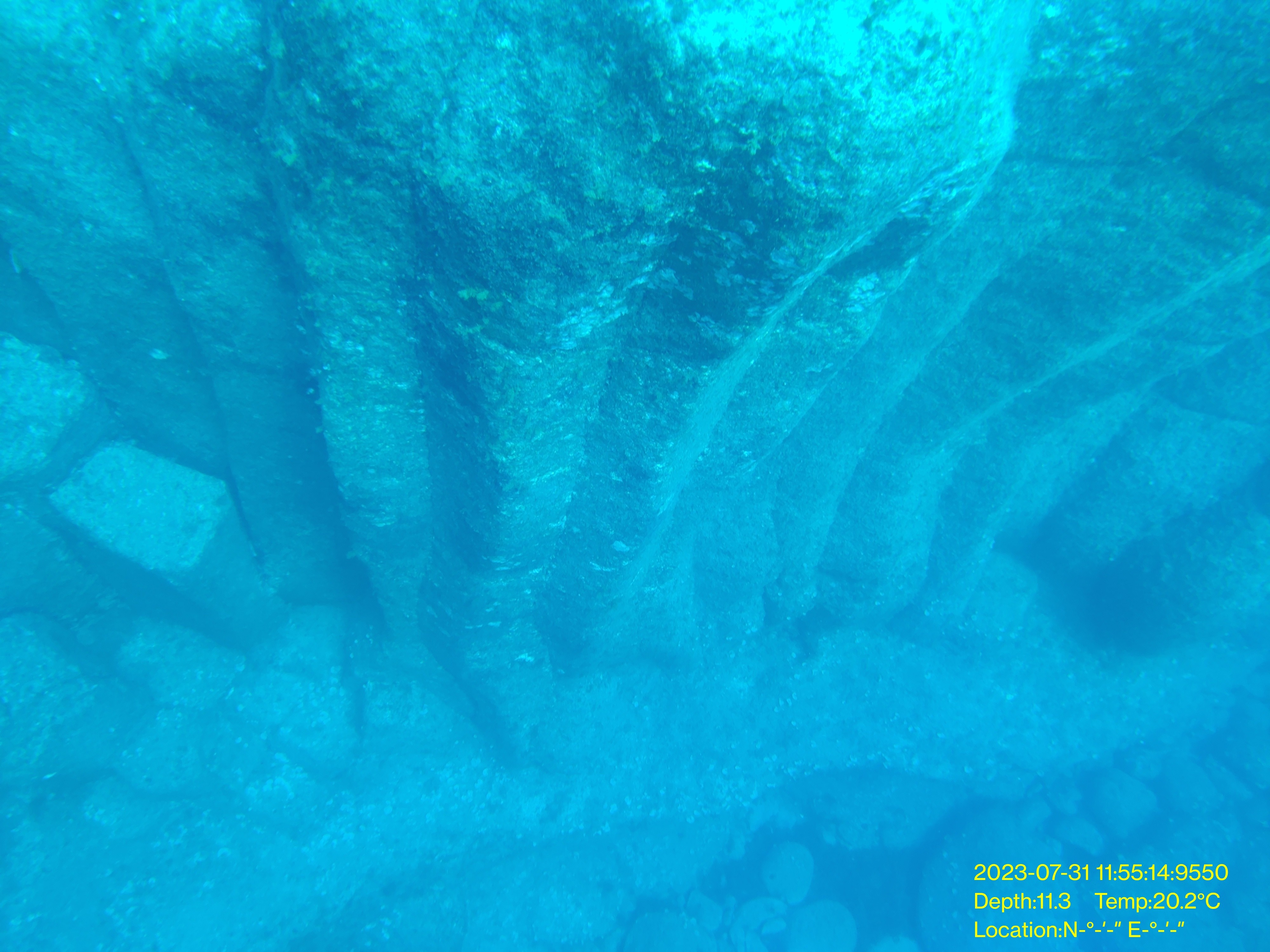
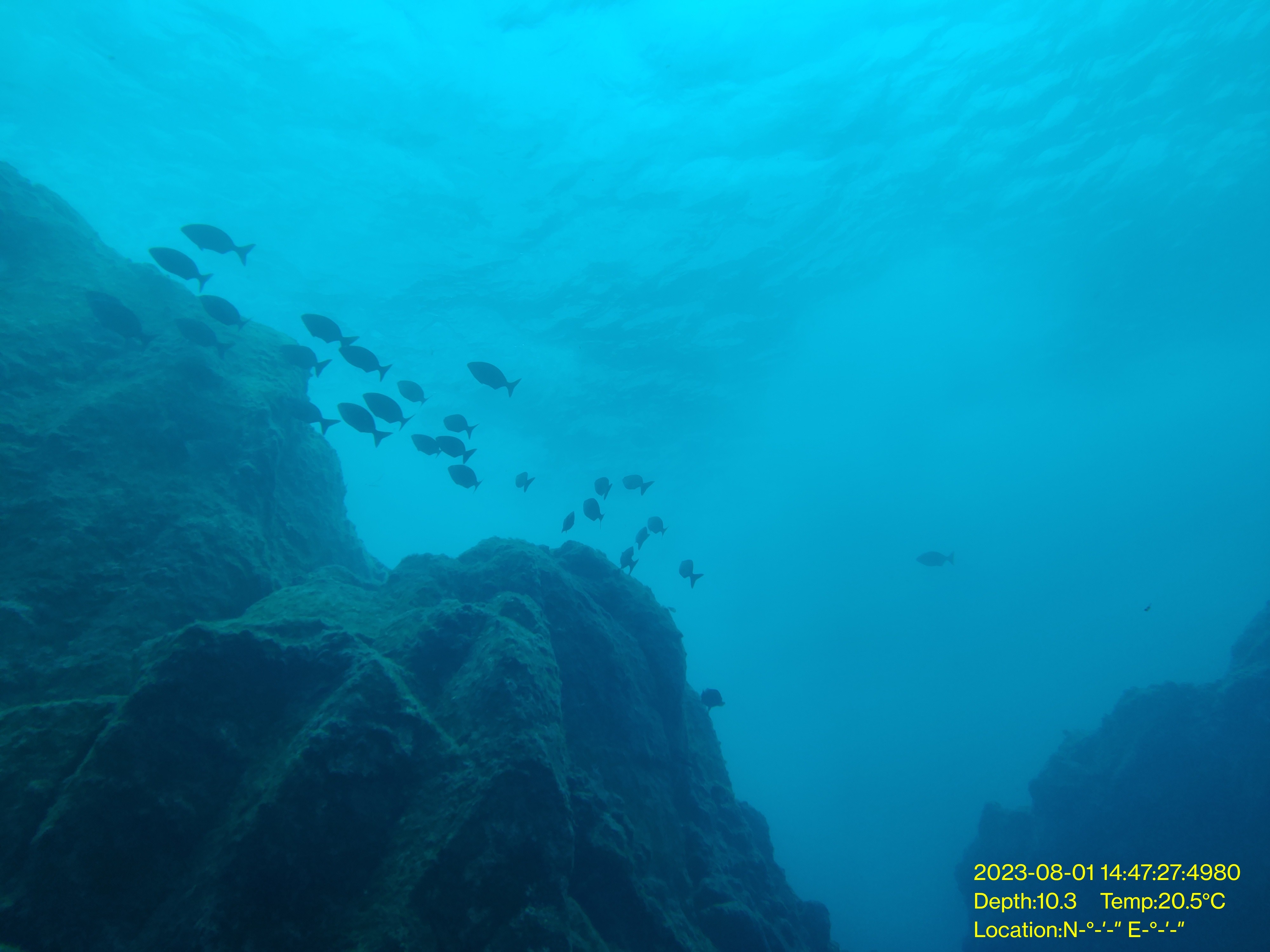
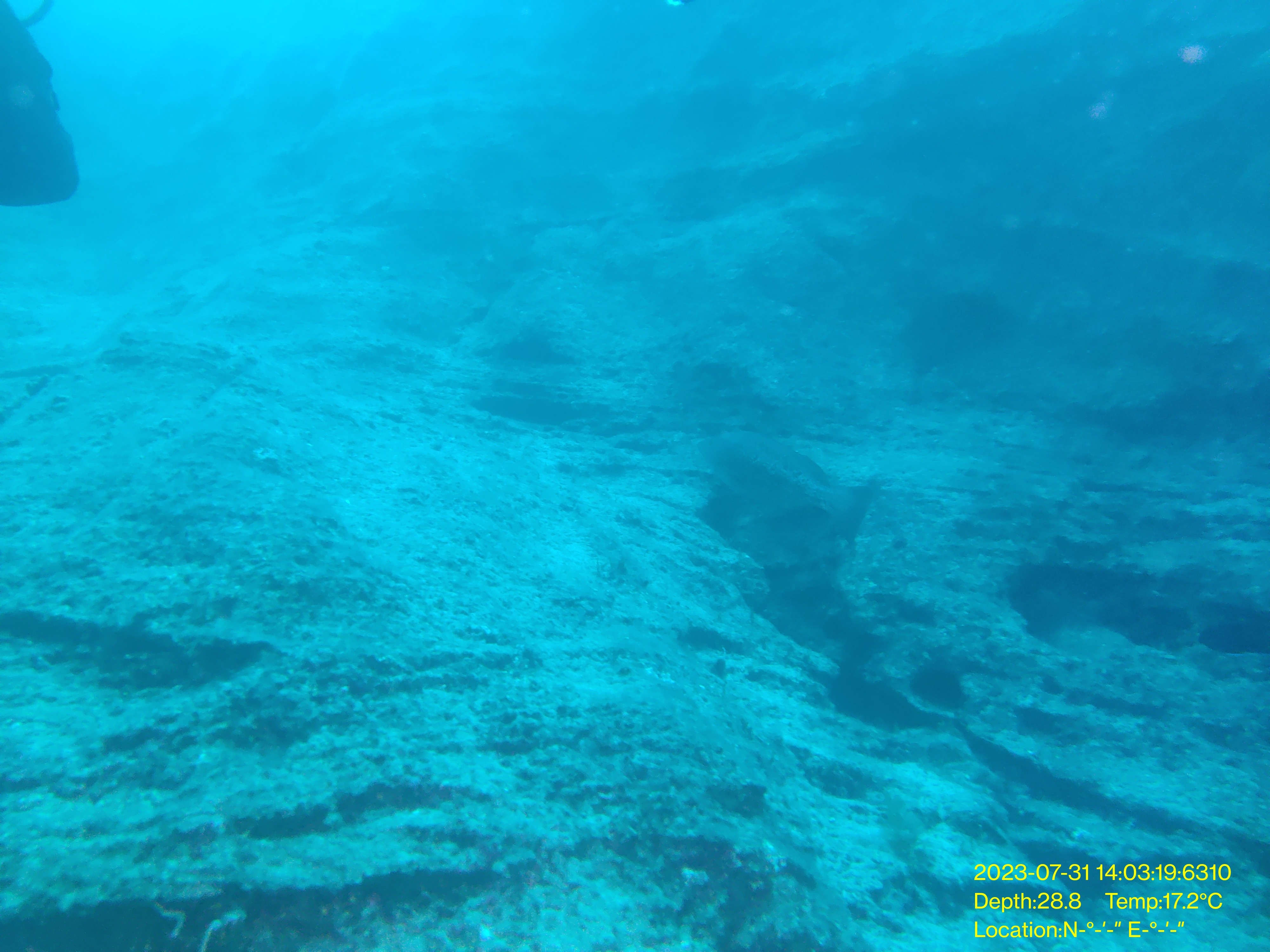
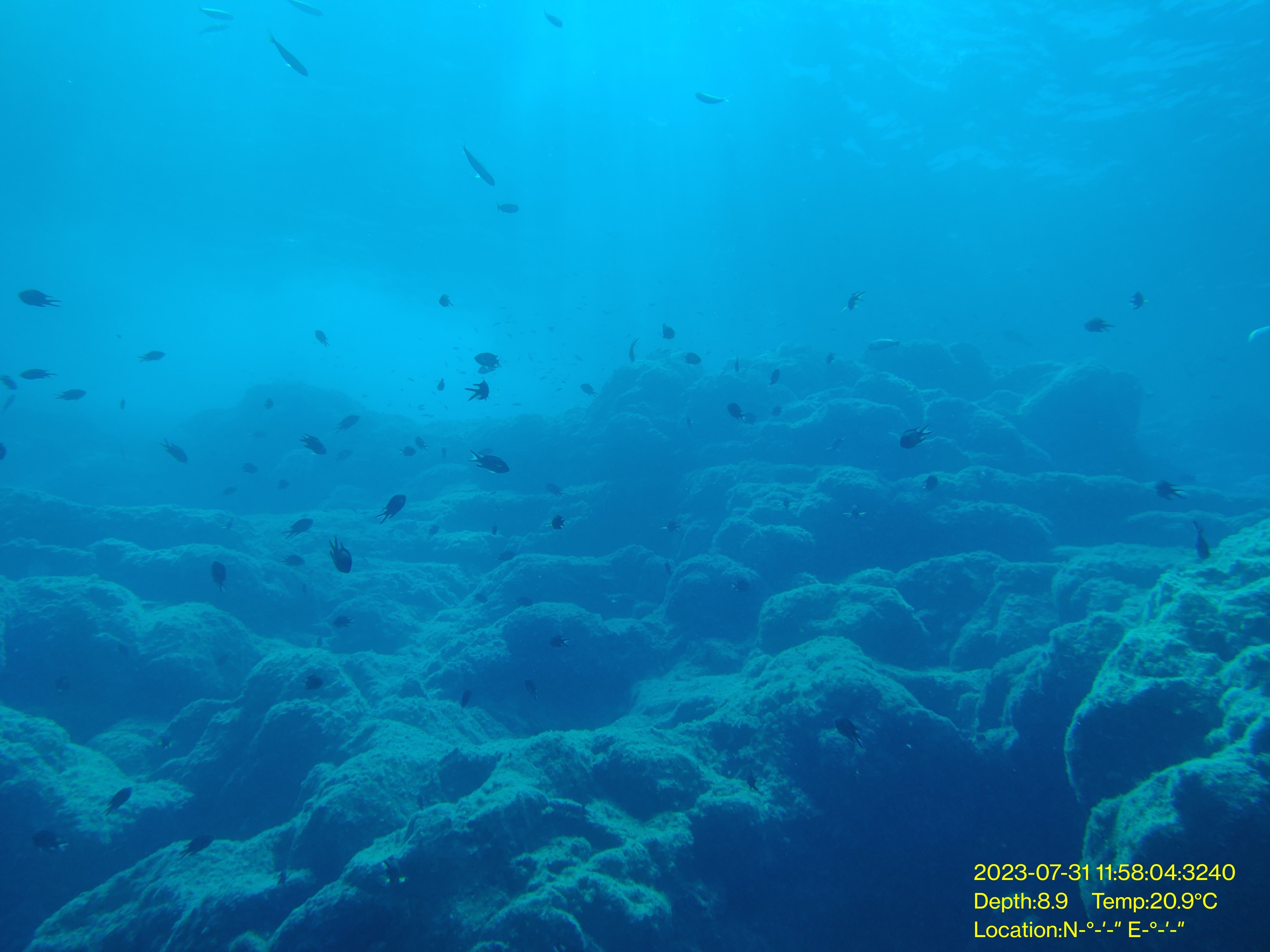
On the first picture you can see a typical structure formed over the magmatic chamber when lava ascends to the surface, then on the bottom left of the second image you can still see the structure of the previous one and understand how impressive they can be.
On the third picture, you can distinguish the stratifications and if you look closely in the middle of it, you now have the proof that groupers grow really big in these waters. Finally, you can see lava fingers going down into the deeps on which are living plenty of little harmonious fish.
Being on a strategical route, a lot of boats have stopped in these islands to cross the ocean. That means that a lot of boats have sunk and that today you will have the possibility to explore some wrecks. Unfortunately, because the water goes very deep very fast, the majority of the wrecks are inaccessible, but you can still visit the ones shallower.
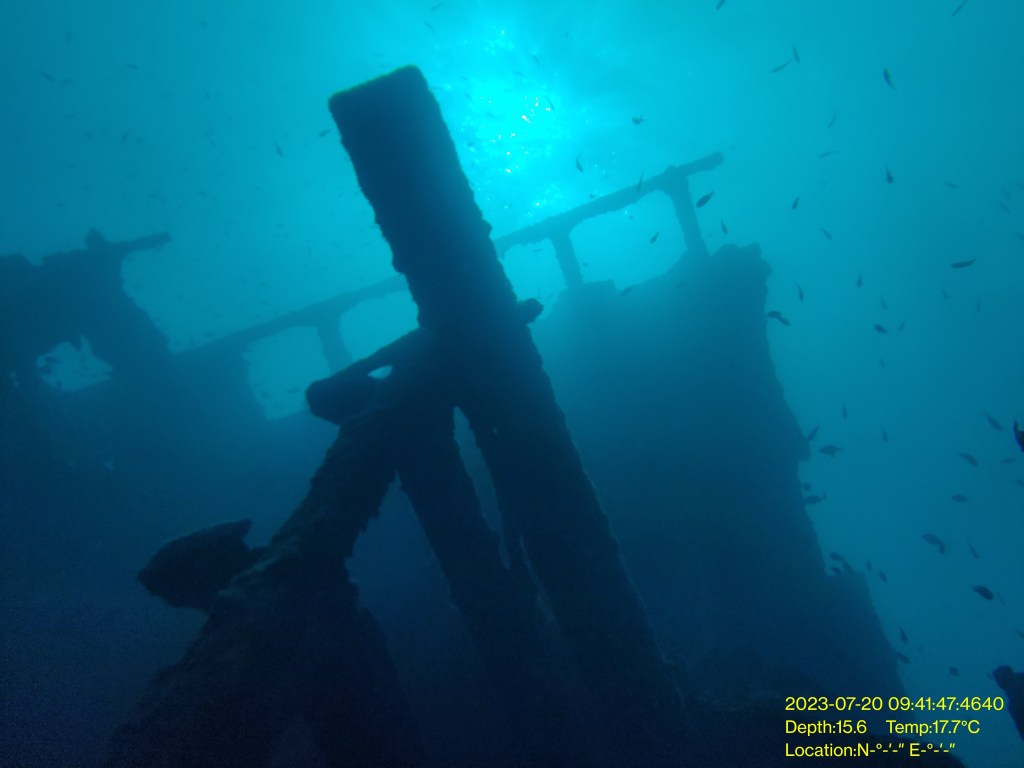
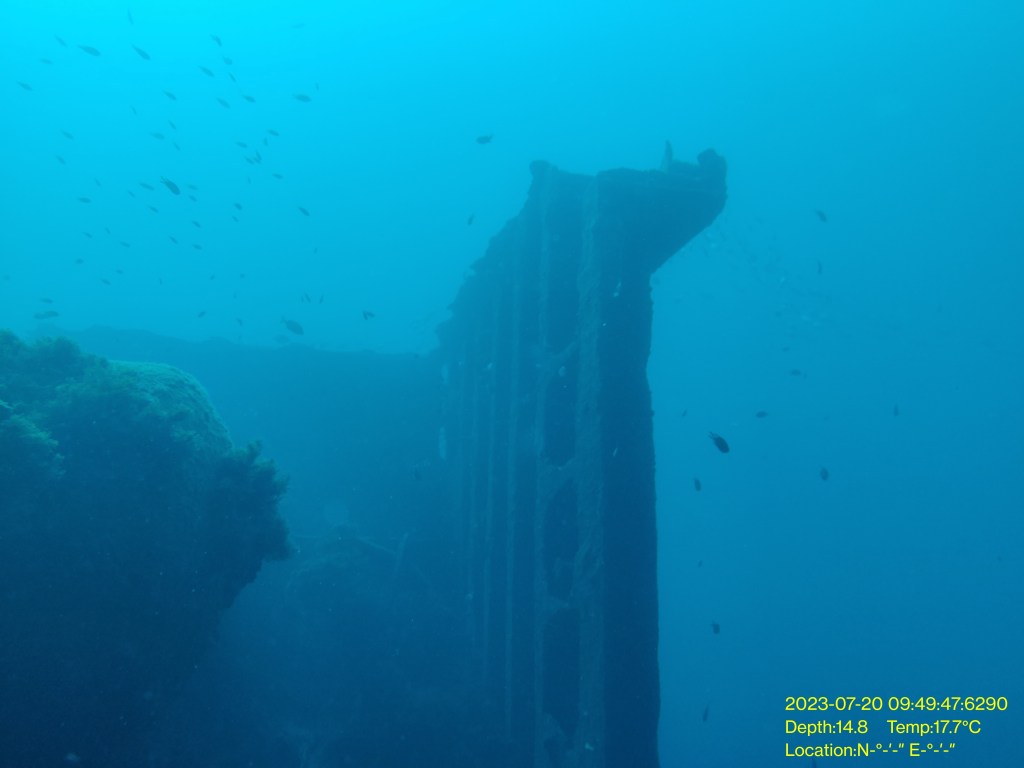
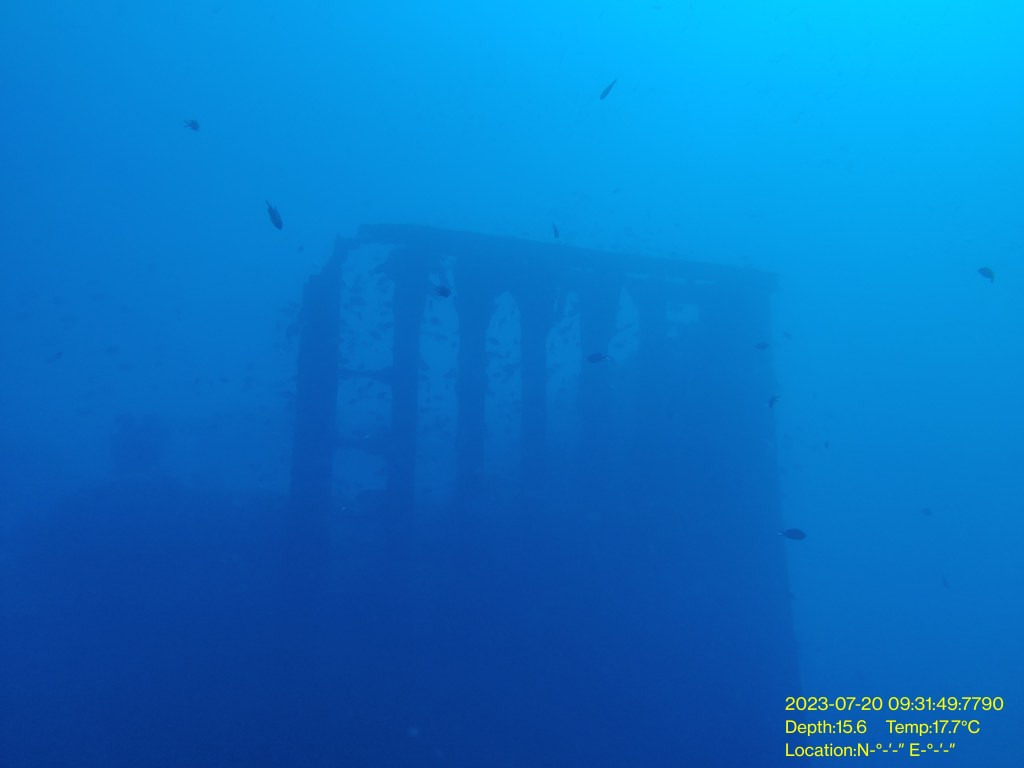
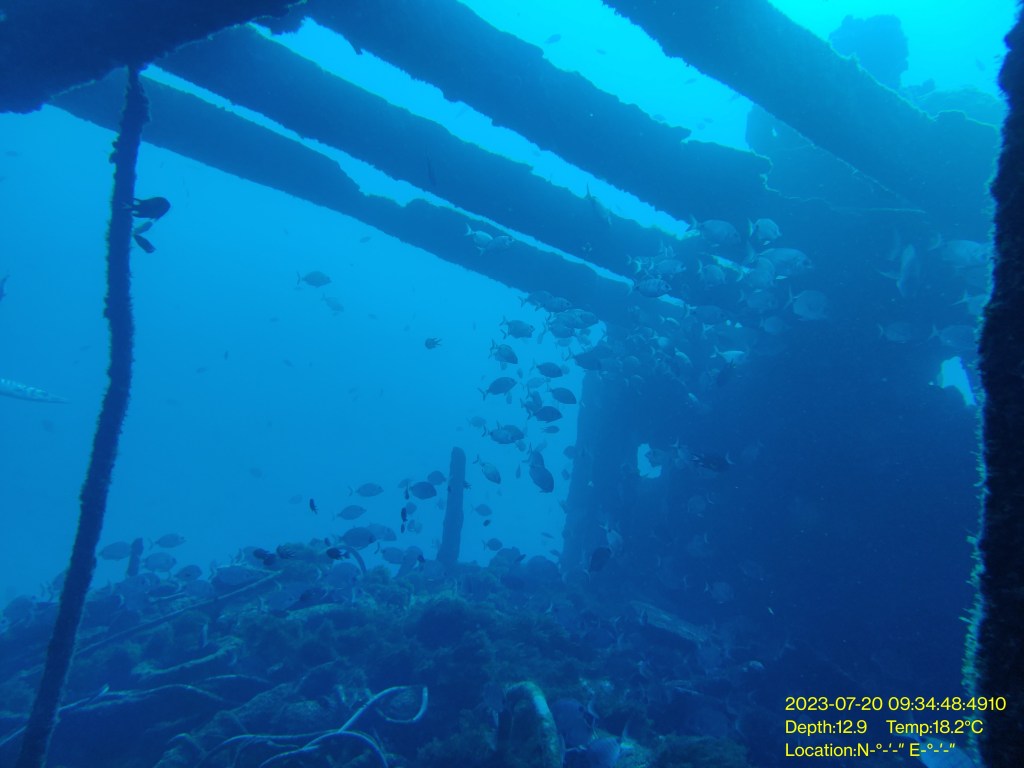
Here you can see some photographs of the Dori Wreck situated near Sao Miguel’s coast at approximately 20m deep. This is an old cargo ship that sunk in Ponta Delgada’s bay and that is now thanks to his impressive volumes creating shelters for underwater fauna and flora.
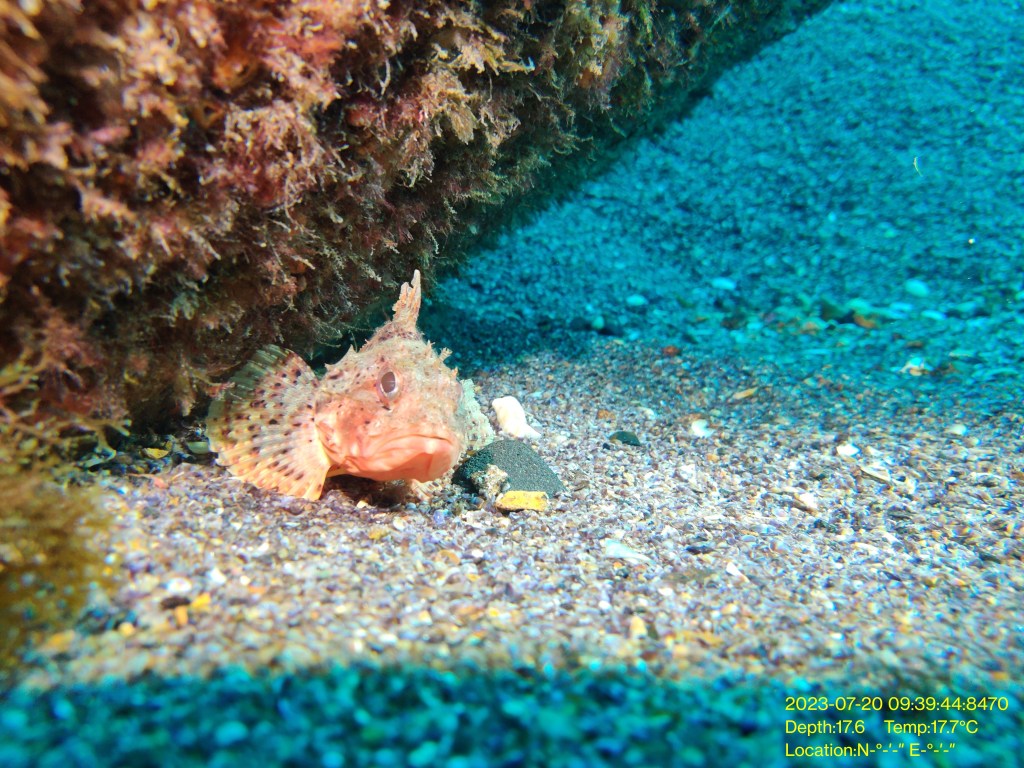
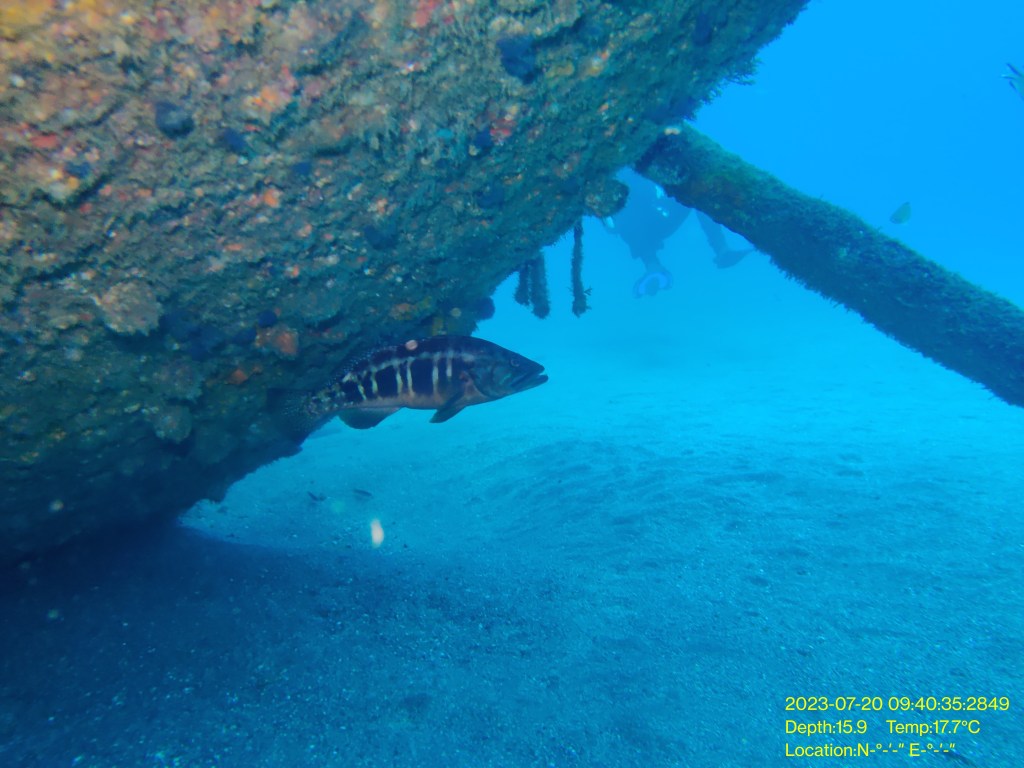
And on these two last pictures you can understand how a scorpion fish and a blacktail comber use the wreck’s structures as shelters.
These islands are situated on the Gulfstream current which is the reason why these waters are this amazing to explore. Gulfstream heats Azorean waters during winter and cools them during summer. You will definitely feel it while diving. Sometimes you’ll pass from “hot” clear waters (~20°c) to super cold troubled waters full of plancton coming from the deeps. When the water is cold and full of food, you will have less visibility but you’ll see more fish in contrast with the cristal clear waters that are poor in nutrients.
I hope you enjoyed this little article ! Other ones about Azores are coming soon !
 Lucas Vahlas' Blog